


read about the process

context
My team and I received 1st place at the Sun Life × University of Waterloo Stratford School uXperience Design Jam, a week-long designathon focused on reimagining healthcare experiences through a human-centred lens. The challenge theme, “Designing chronic care that connects” encouraged groups to explore how digital solutions could better support patients navigating long-term health conditions, particularly during moments of transition between diagnosis, treatment, and ongoing care.
Working in a team of four, we focused on identifying gaps in continuity, accessibility, and emotional support within existing care systems.

challenge
How might we help patients newly diagnosed with chronic conditions feel supported as they navigate benefits, lifestyle changes, and long-term care?

Meaningful integration opportunities between Sun Life insurance and Waterloo hospitals

Balance digital healthcare infrastructure with community-based support

Reduces cognitive and emotional load for patients, especially older adults
Patients managing chronic conditions often experience fragmented support across hospitals, insurance providers, and community services. Information is frequently delivered all at once, in high-stress environments, making it difficult to retain next steps or understand available resources. These challenges point to three core opportunity areas for improving how patients experience support across their care journey.
ideation
Our ideation process began by mapping the end-to-end patient journey, from in-hospital diagnosis to at-home chronic care management. We focused on identifying moments where patients are most likely to feel overwhelmed, unsupported, or disconnected from their care. Using persona brainstorming, flow mapping, and feature prioritization, we explored how a virtual solution could support both medical and non-medical needs. This included considering how patients interact with hospital systems, insurance providers, caregivers, and community services over time.
Key ideation considerations included:
- Designing for limited mobility, cognitive load, and emotional stress
- Ensuring the experience remains accessible for users with varying levels of digital literacy
- Integrating Sun Life insurance visibility without making the experience feel transactional
- Supporting patients with and without existing caregivers
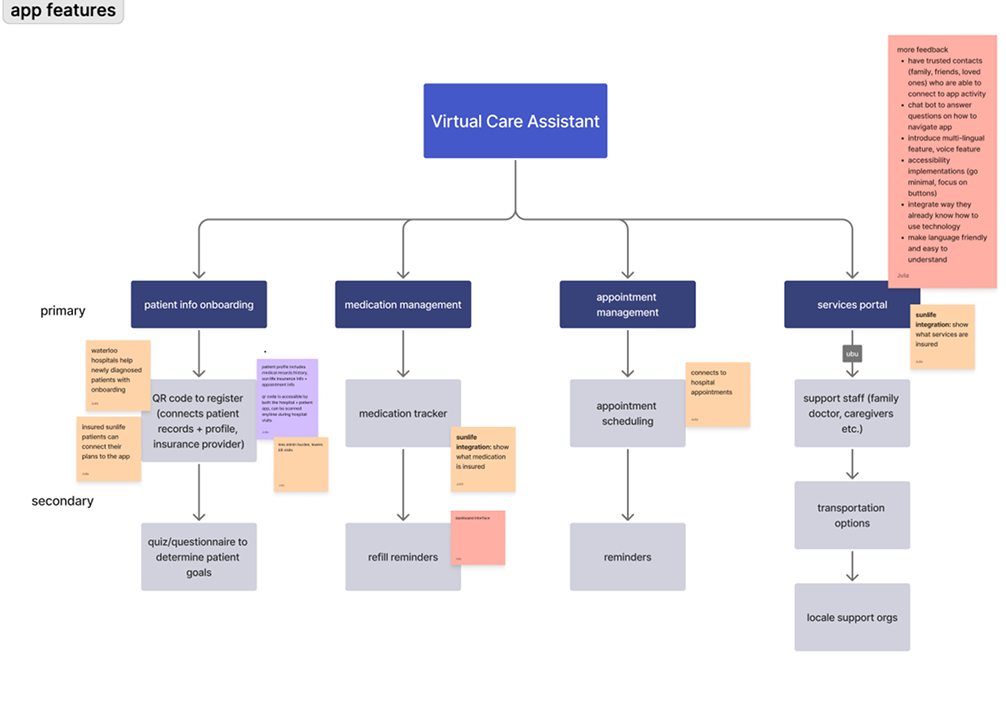
We also defined clear design constraints early on by avoiding complex medical language, text-heavy screens, and inaccessible interaction patterns. Instead, we prioritized simple navigation, visual guidance, and modular features that could be introduced gradually.
solution
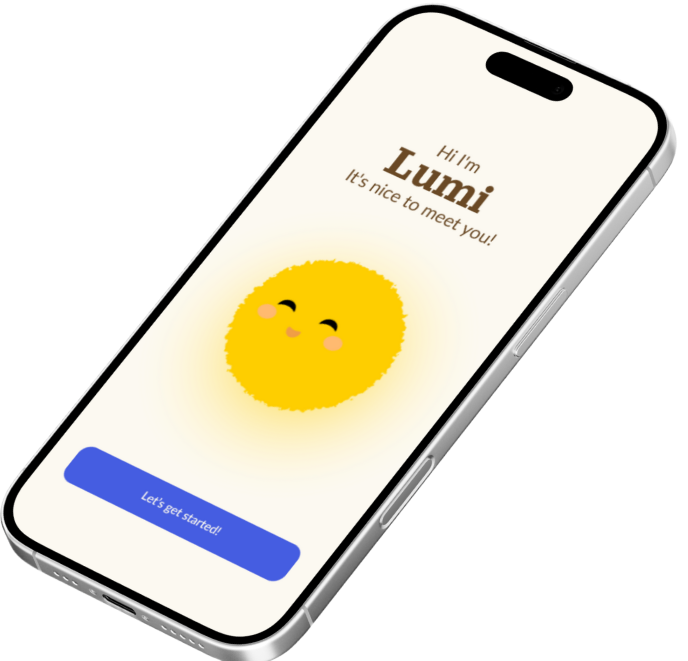
We designed Lumi, a hospital-integrated Virtual Care Assistant that supports older adults navigating chronic conditions. Our solution prioritizes accessibility, empathy and community connection.
Rather than treating chronic care as a series of isolated tasks, Lumi was designed to support the full patient journey: from diagnosis to daily management. Our design acknowledges the emotional and cognitive challenges that often accompany long-term care.
Personalized and human-centered onboarding
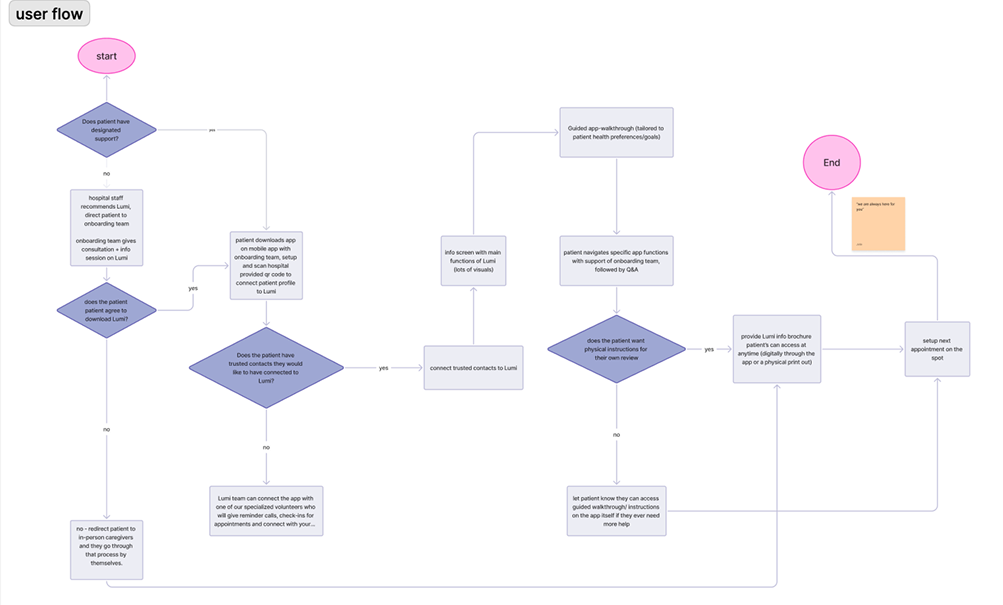
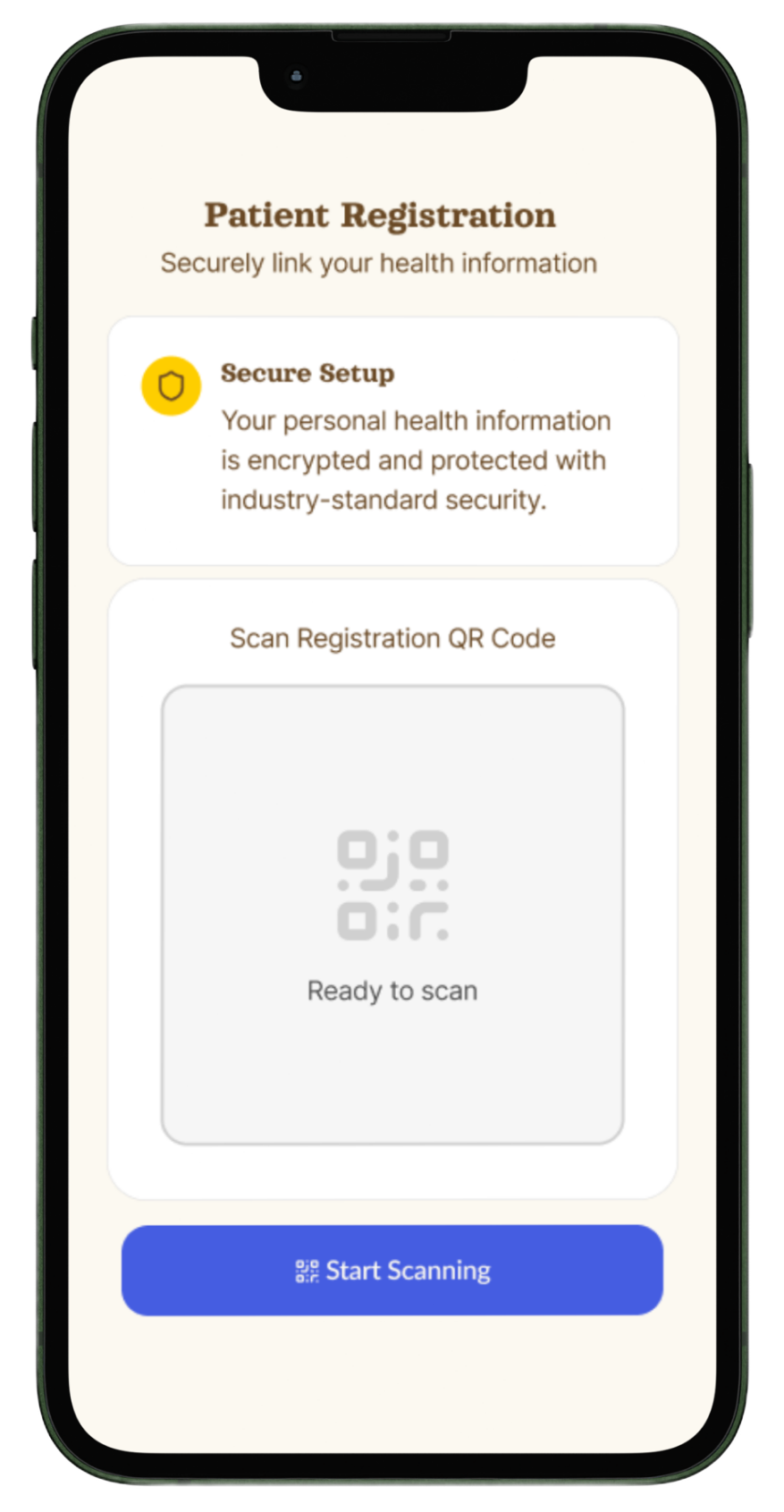
Lumi’s experience begins in the hospital, recognizing that many older users need reassurance and guidance before engaging with new technology. Patients are introduced to Lumi through a guided onboarding process supported by volunteer staff to establish trust before asking users to interact independently.
- QR-code registration securely connects hospital records and Sun Life
- Paperwork is minimized to reduce confusion and fatigue
- A trusted contact can be added early, reinforcing shared care and emotional support
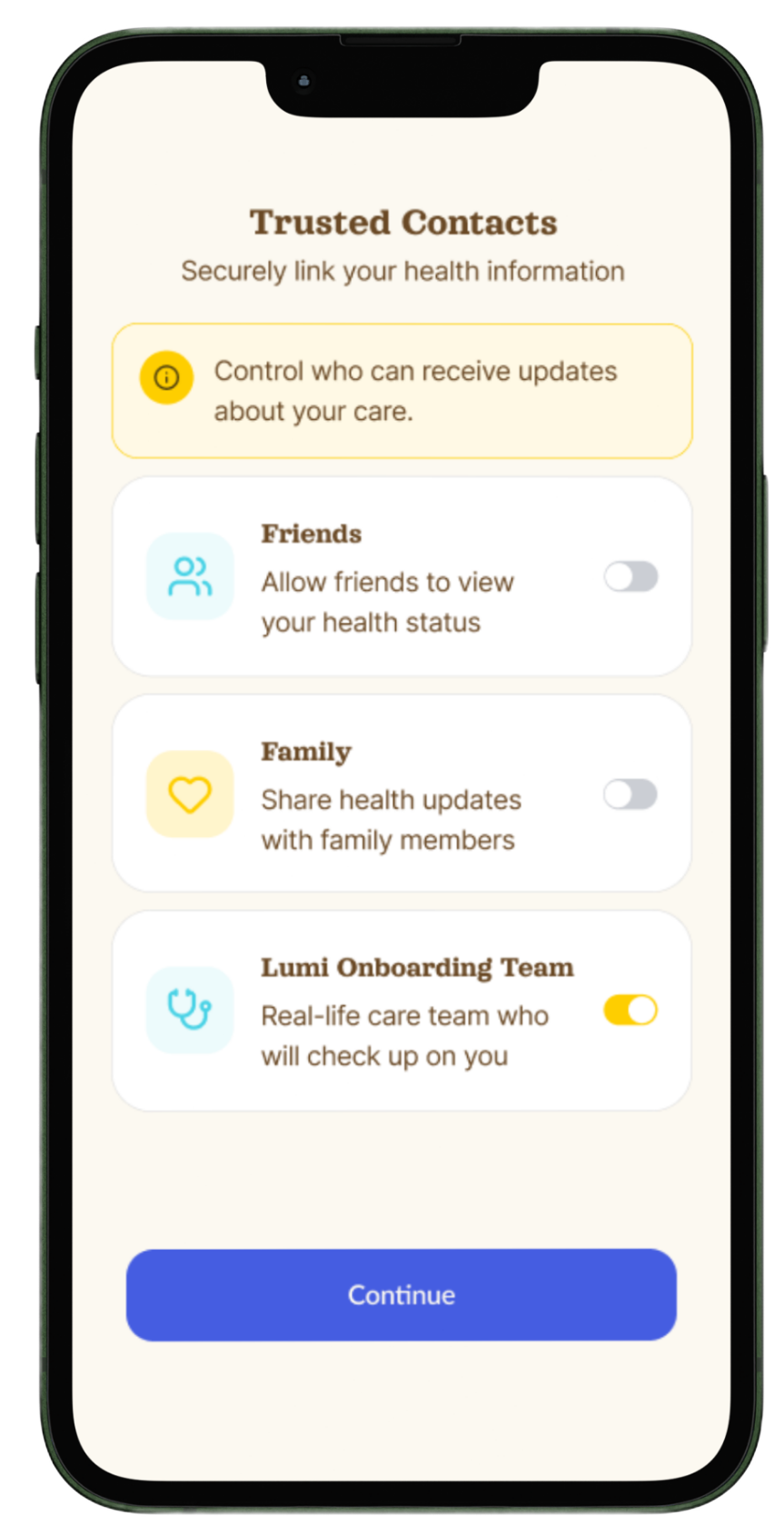
Supporting daily care, one step at a time.
Flexible Navigation
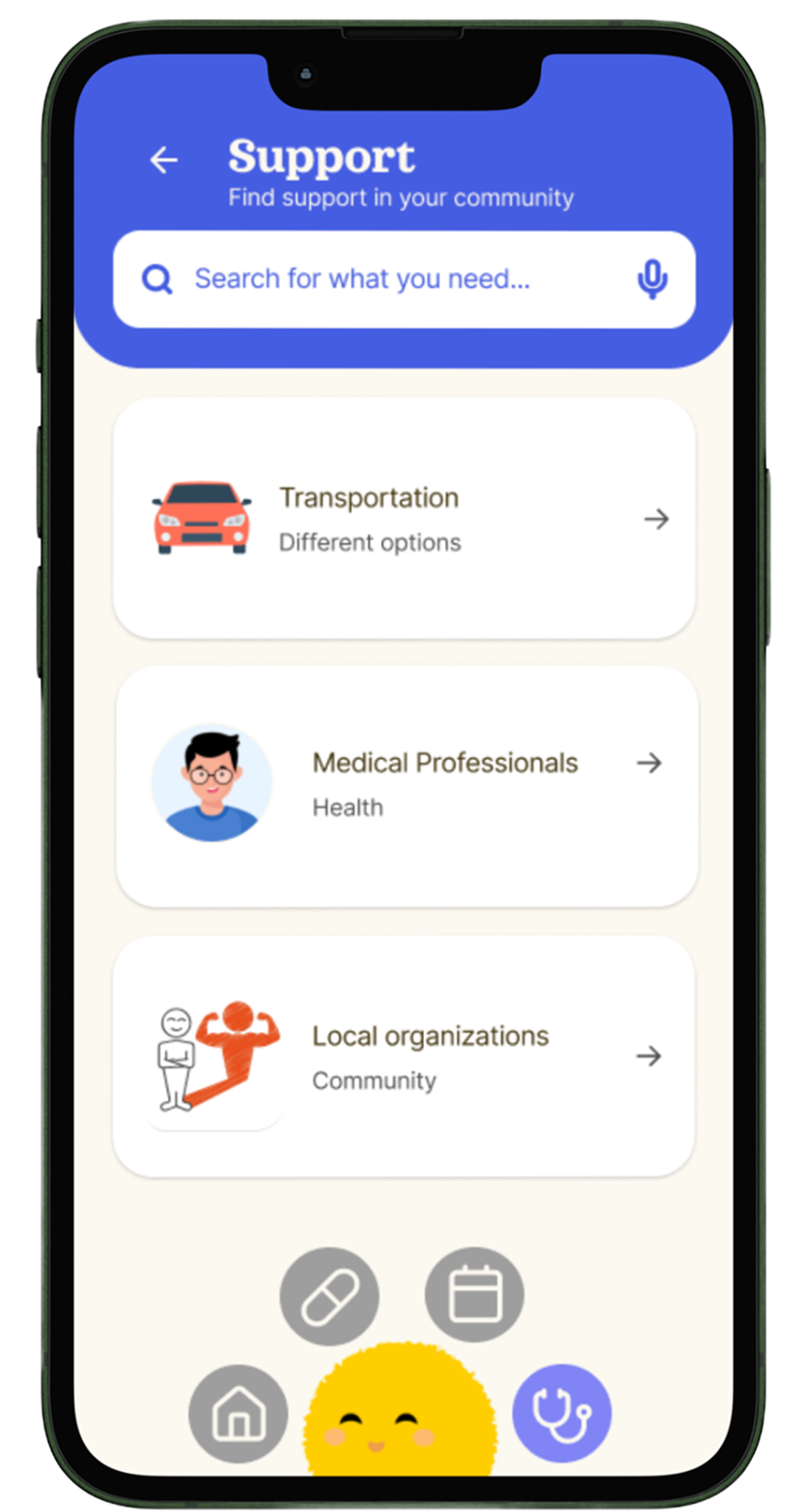
Every interaction in Lumi was designed with accessibility in mind: Simple language and flexible interaction through search and voice support. The home dashboard avoids overwhelming users by helping them feel capable, informed and supported.
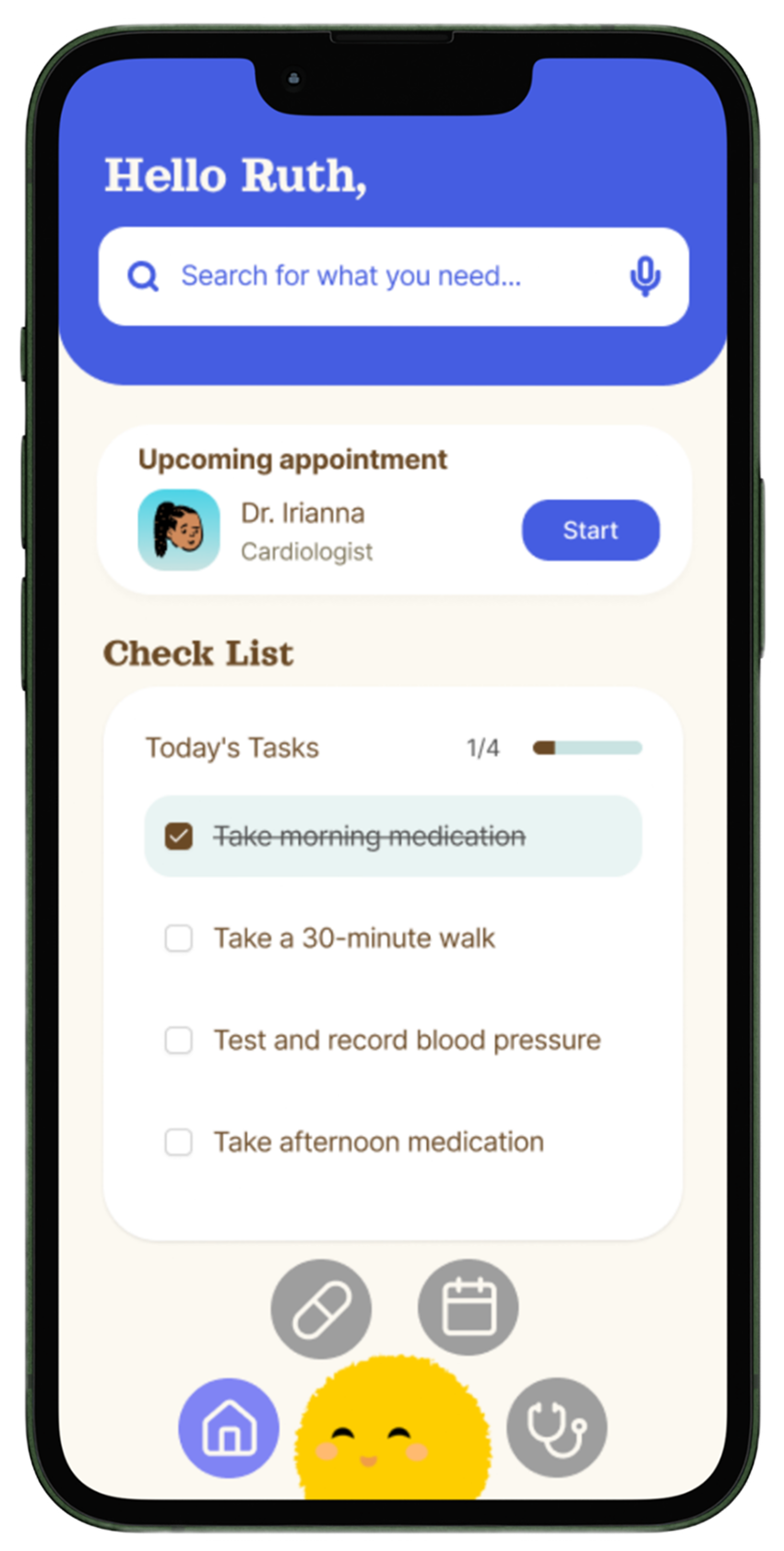
Community Service Support
Chronic care doesn’t stop at clinical visits. Lumi extends support into everyday life through a , connecting users to local caregivers, medical professionals, and organizations available in their area. This reinforces that care is not just medical—it is social, practical, and ongoing.
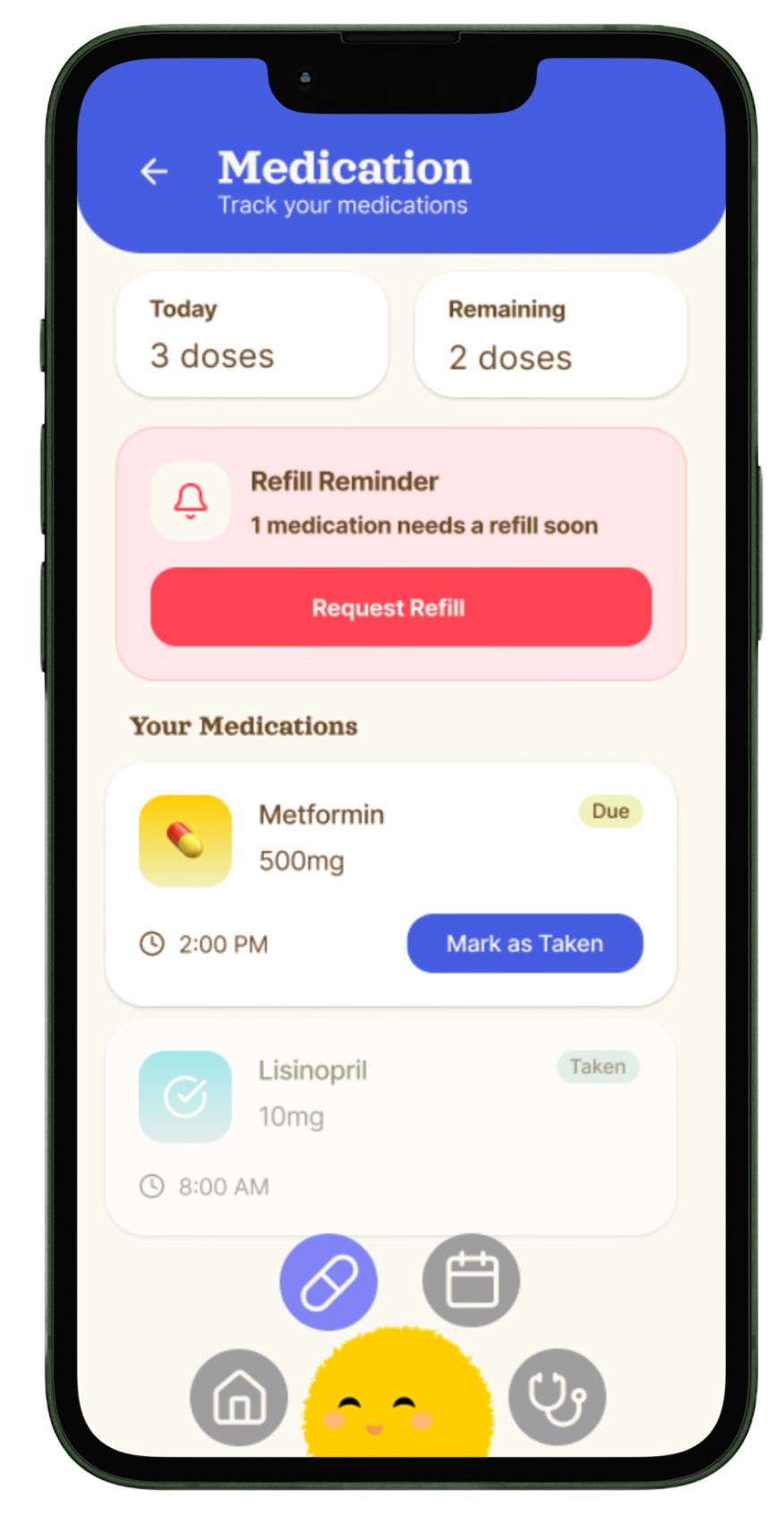
Medication Management
Patients can see what to take and when, with Sun Life integration providing prescription syncing to help reduce the stress of adherance.
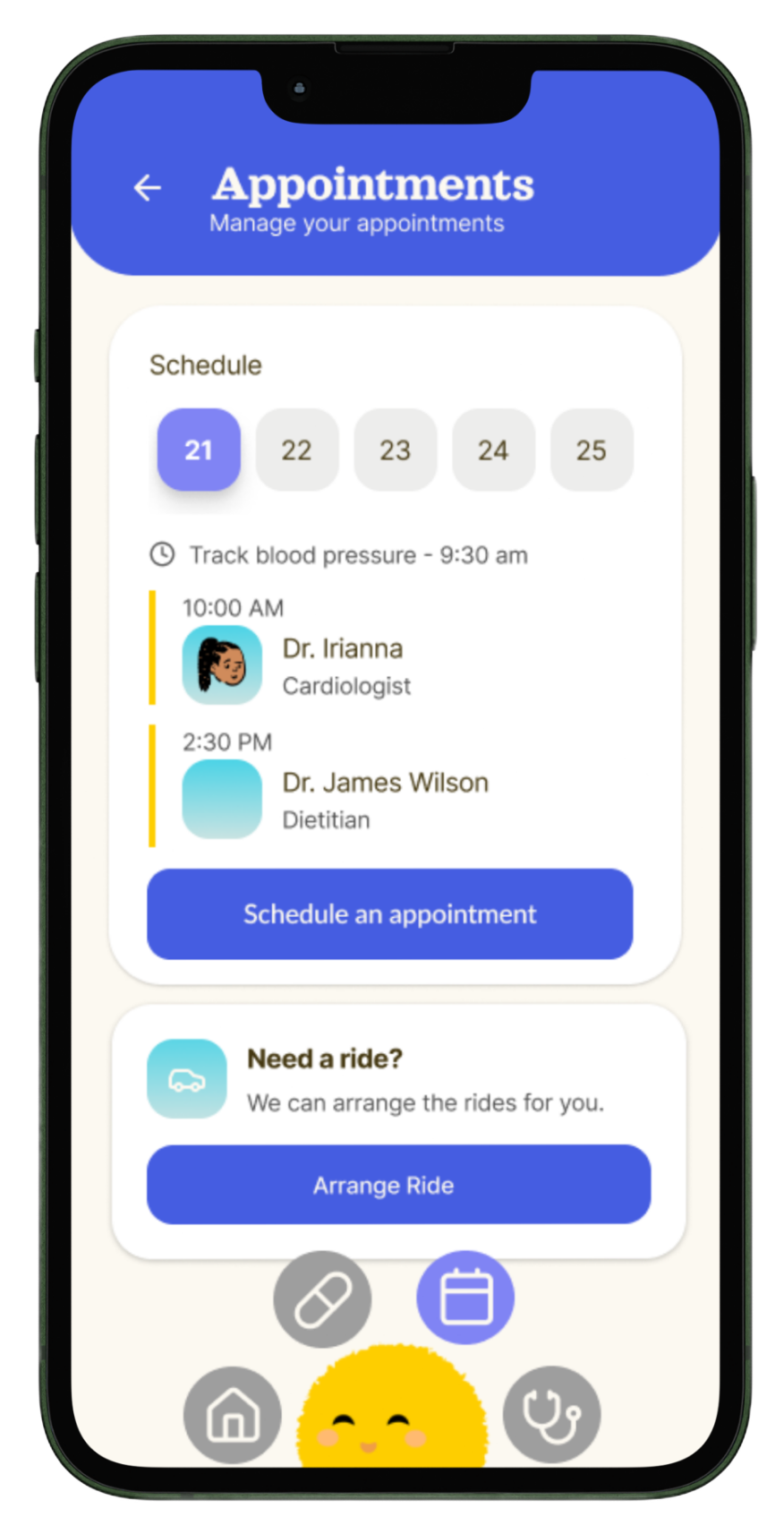
Appointment & Transport Support
Lumi keeps track of appointments and connects patients to reliable transportation, removing a common barrier to consistent care.
takeaways
Designing for older adults requires slowing down and simplifying: Solutions for older users often look different from mainstream digital products. Prioritizing clarity, guided interactions, and reassurance helped us design an experience that feels supportive rather than overwhelming.
Onboarding shapes long-term engagement: For many users, trust and retention begin at setup. Spending time designing a human-centred onboarding experience ensured patients felt confident before navigating the app independently.
Human-centred framing keeps solutions grounded: Returning to the user journey throughout the design process helped balance system integration goals with empathy. This ensured the final concept supported real emotional and practical needs, not just functional ones.


